Practical Tips for Networking at Local Events
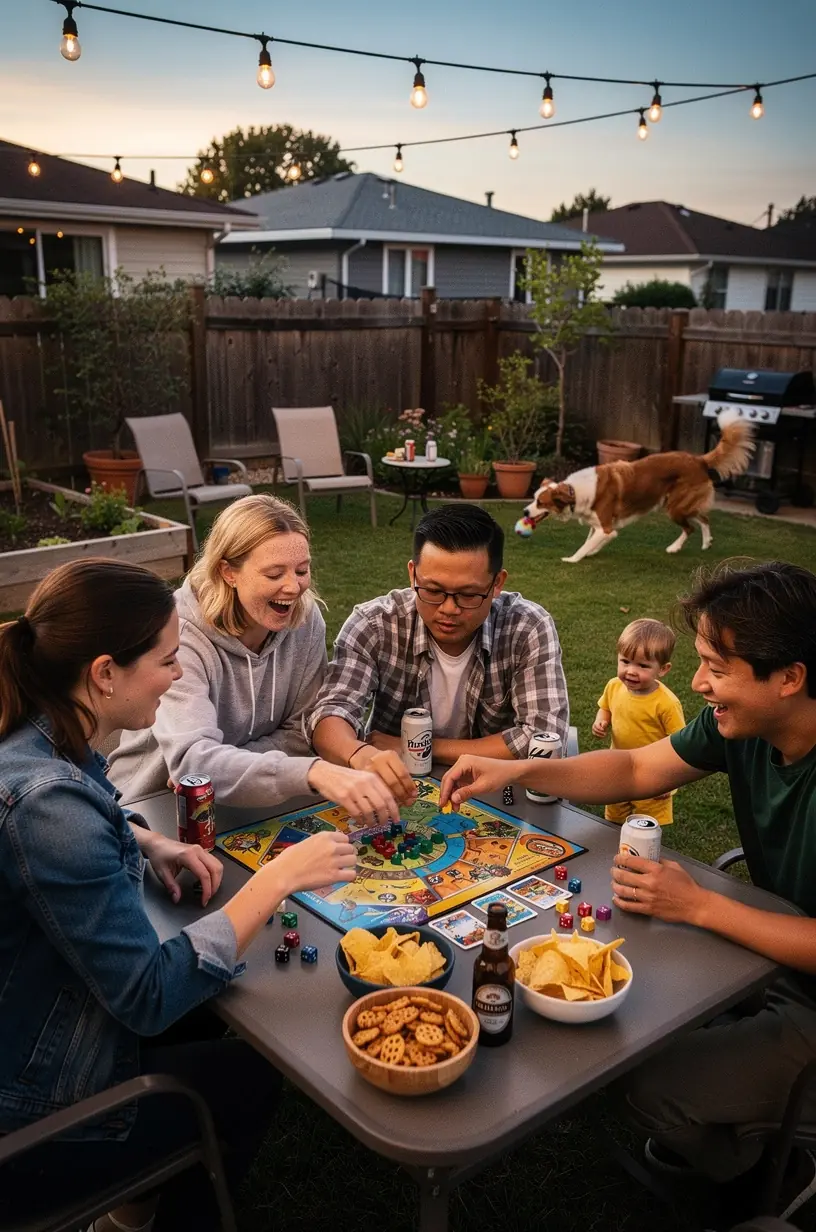
Networking at local events can be an effective way to expand your social and professional circles. However, many people feel apprehensive about making connections. This guide aims to provide practical tips that can help you engage meaningfully at concerts, discussion clubs, and social game meetups.
Understanding the Importance of Networking
Networking is often viewed as a crucial skill in today's interconnected world. According to a study published in the Harvard Business Review, about 70% of job seekers find positions through networking. This statistic demonstrates the potential impact that effective networking can have on both personal and professional growth.
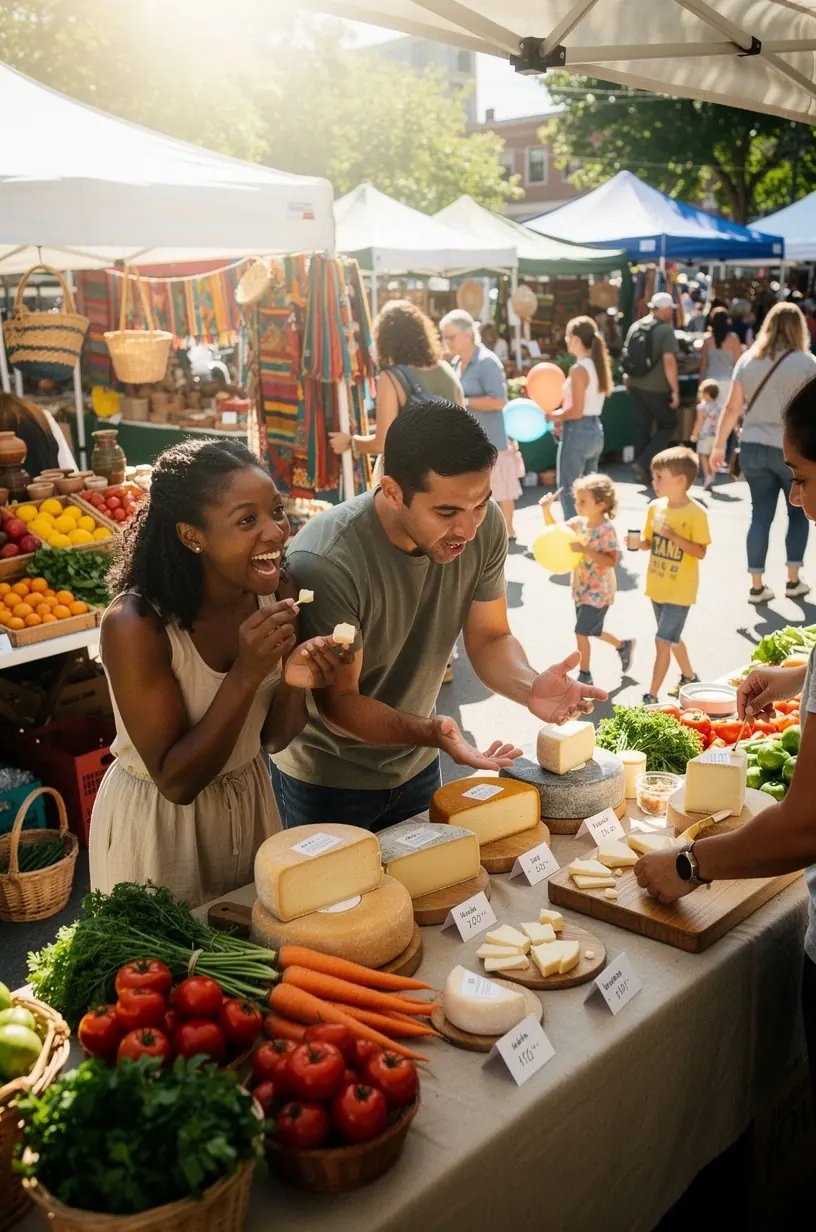
"Networking is not just about exchanging contact information; it's about building relationships that can lead to opportunities." - Networking Expert
1. Prepare Ahead of Time
Preparing for a networking event typically involves several key steps:
- Research the Event: Understanding the event's theme and attendees can help tailor your approach. Many users report feeling more confident when they know what to expect.
- Set Goals: Define what you want to achieve—whether it’s meeting new people, learning about specific topics, or discussing potential collaborations.
- Practice Your Introduction: A well-prepared introduction can make a significant difference. Experts recommend crafting a concise and engaging elevator pitch to share who you are and what you do.
2. Engage Naturally
Engaging with others at local events requires a balance of listening and speaking. Here are some effective strategies:
- Be Approachable: Smile and maintain open body language. Research indicates that people are more likely to engage with those who appear friendly and accessible.
- Ask Open-Ended Questions: Foster genuine conversations by asking questions that require more than a yes or no answer. This technique can help deepen the interaction and provide valuable insights.
- Listen Actively: Show your interest by listening attentively. Acknowledging others’ points can create a more meaningful dialogue and encourage further exchange.
3. Follow Up
After the event, following up is essential for nurturing new connections. Here’s how you can effectively stay in touch:
- Send a Personalized Message: Reach out via email or social media within a few days of the event. A brief note mentioning specific details from your conversation can make your message stand out.
- Connect on LinkedIn: This platform is a reliable way to keep your network updated on professional endeavors while easily sharing industry-related content.
- Schedule Future Interactions: If there’s mutual interest, propose a coffee meeting or a virtual chat. This proactive approach can strengthen the relationship and open doors for further collaboration.
Acknowledge the Effort Involved
Building a strong network takes time and effort. Typically, it may take several events and follow-ups before you see the benefits of your networking endeavors. It’s important to maintain realistic expectations and understand that not every interaction will lead to a significant opportunity.
Conclusion
Networking at local events can be a rewarding experience when approached thoughtfully. By preparing effectively, engaging authentically, and following up with new contacts, you can build meaningful relationships that may lead to future opportunities. Remember to remain patient and persistent, as the results of your efforts may take time to materialize.
Learn More